
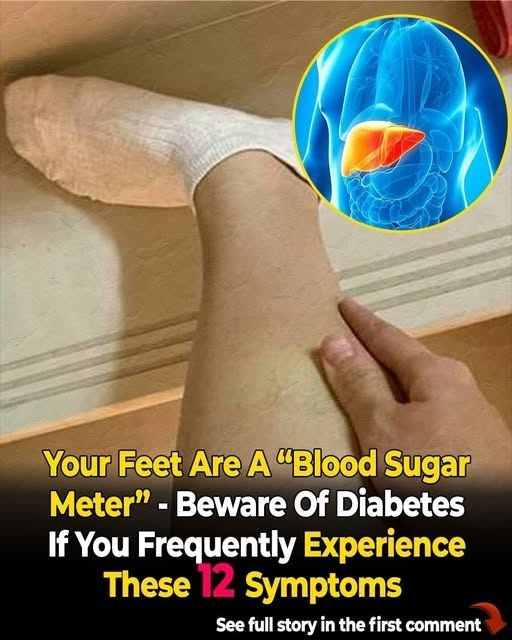
Calluses develop when repeated pressure or friction causes the skin to thicken. They are common in people who wear poorly fitting shoes or put repeated pressure on certain parts of their feet.
In people with diabetes, nerve damage and changes in foot structure can increase pressure in particular areas. Thick calluses may conceal damage underneath and raise the risk of ulcers.
Wear well-fitting footwear, avoid cutting calluses yourself, and seek professional foot care if you have diabetes or reduced sensation.
10. Unusual Foot Temperature
Feet that feel persistently colder than usual may sometimes be affected by reduced circulation. A warm, red, or swollen foot can also be concerning, particularly in someone with diabetes and nerve damage.
Temperature changes alone cannot establish the cause.
If you have diabetes and one foot becomes noticeably warmer, redder, or more swollen than the other, seek prompt medical advice—even if it does not hurt. Nerve damage can reduce pain sensation and mask an injury.
11. Changes in Toenails
Thickened, brittle, yellow, or discolored toenails may result from fungal infections, repeated pressure, aging, or other nail conditions.
These changes are not specific to diabetes. Nevertheless, nail problems deserve attention if you have reduced sensation, poor circulation, or difficulty caring for your feet safely.
Avoid digging into the corners of your nails or cutting them too short. Seek professional care if a nail becomes painful, infected, or difficult to manage.
12. Pain or Cramping While Walking
Pain or cramping in the calves, feet, or legs that repeatedly appears during walking and improves with rest may be a sign of peripheral artery disease.
This condition occurs when narrowed arteries restrict blood flow to the limbs. Diabetes increases the risk, particularly when combined with smoking, high blood pressure, or abnormal cholesterol levels.
Do not dismiss recurring walking-related pain as a normal part of aging. A healthcare professional can assess your circulation and recommend appropriate testing.
Other Signs of Diabetes to Watch For
Foot changes are not the only possible clues. Common symptoms of diabetes include:
- Increased thirst.
- Urinating more frequently than usual.
- Feeling unusually hungry.
- Unexplained weight loss.
- Persistent fatigue.
- Blurred vision.
- Cuts or infections that heal slowly.
Some people, especially those with type 2 diabetes, may have few noticeable symptoms. This is one reason blood testing is important for people with symptoms or relevant risk factors.
How Can You Know Whether Your Blood Sugar Is High?
The only reliable way to determine your blood glucose level is to measure it using an appropriate blood glucose test.
A healthcare professional may recommend:
Fasting blood glucose: Measures blood sugar after a period without eating.
HbA1c test: Estimates average blood glucose over approximately the previous two to three months.
Other glucose tests: Depending on your symptoms and circumstances, a clinician may recommend additional testing.
Foot symptoms alone cannot diagnose diabetes, and normal-looking feet do not rule it out.
How to Protect Your Feet if You Have Diabetes
Daily foot care is particularly important if you have diabetes, reduced sensation, or circulation problems.
- Inspect the tops, soles, heels, and spaces between your toes every day.
- Wash your feet gently and dry them carefully, especially between the toes.
- Apply moisturizer to dry skin, avoiding the spaces between the toes.
- Wear comfortable shoes and clean socks that do not cause pressure or friction.
- Avoid walking barefoot, including indoors, if you have reduced sensation.
- Do not use blades or sharp tools to remove calluses.
- Arrange regular foot examinations with your healthcare professional.
- Seek prompt advice for blisters, cuts, redness, swelling, or wounds that are not healing.
If you cannot easily see the soles of your feet, use a mirror or ask someone you trust to help.
Frequently Asked Questions
Can your feet tell you if your blood sugar is high?
No. Foot changes may sometimes indicate diabetes-related nerve or circulation problems, but they cannot measure blood glucose. A blood test is needed to assess your glucose levels.
What is the earliest foot symptom of diabetes?
There is no single earliest symptom for everyone. Tingling, burning, numbness, or reduced sensation can occur with diabetic nerve damage, but some people experience no foot symptoms at all.
Do cold feet mean you have diabetes?
Not necessarily. Cold feet can be caused by environmental temperatures, circulation problems, nerve conditions, thyroid disorders, and other factors.
Can diabetes affect both feet?
Yes. Diabetic peripheral neuropathy commonly affects both feet, often in a similar pattern. However, symptoms can vary, and one-sided symptoms may have other causes.
When should I seek urgent medical care?
Seek urgent assessment for a new foot wound if you have diabetes, especially if there is spreading redness, drainage, swelling, or fever. Emergency care is necessary for sudden severe foot pain, a suddenly cold or discolored foot, or rapidly worsening symptoms.
Final Thoughts
Your feet are not a blood sugar meter, but they can provide important clues about your health. Tingling, numbness, burning pain, slow-healing wounds, and certain circulation changes deserve attention, especially when they persist or occur together.
If you recognize these symptoms, do not panic or assume you have diabetes. Arrange appropriate medical testing and discuss your concerns with a healthcare professional.
Early diagnosis, good blood glucose management, and regular foot care can help reduce the risk of serious complications.
Medical disclaimer: This article is for educational purposes only and does not replace professional medical advice, diagnosis, or treatment.
