
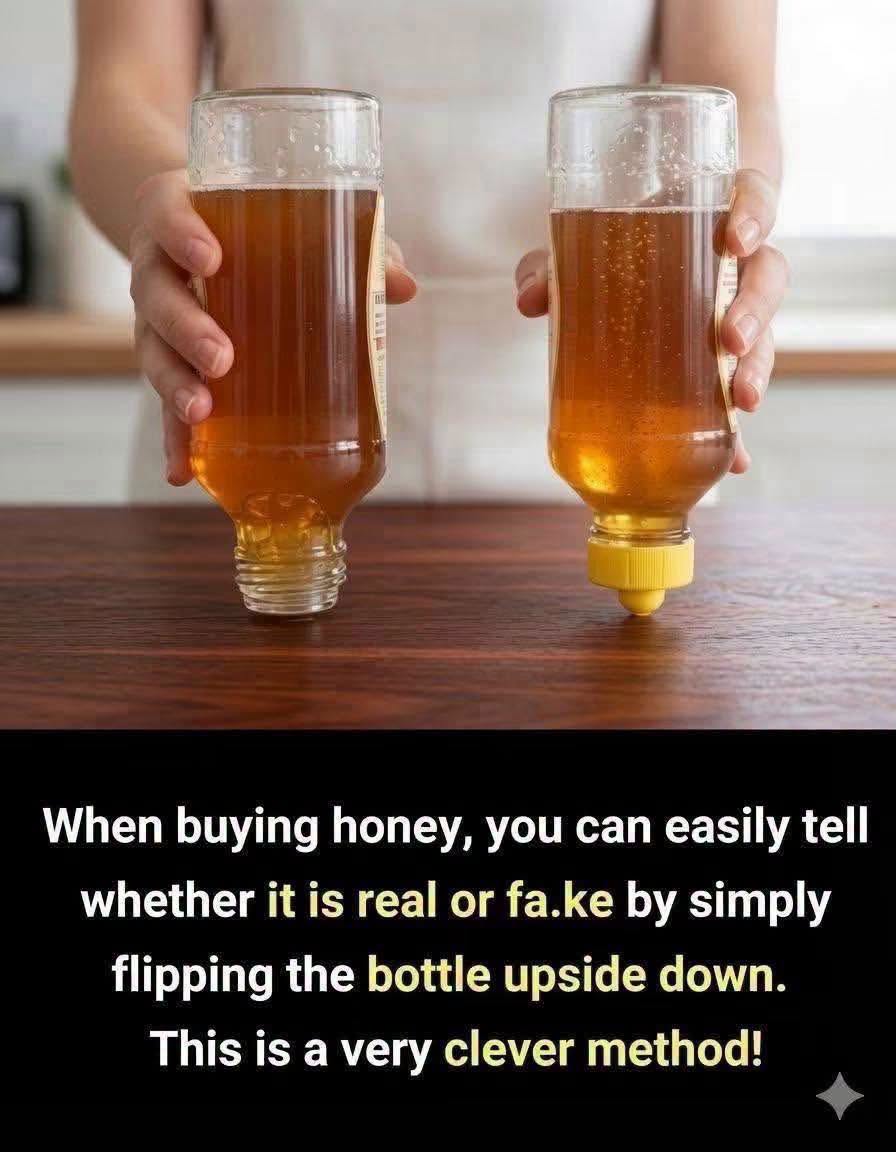
The bottle test can offer a clue, but it cannot prove purity on its own. Temperature, moisture content, floral source, and storage conditions all affect how quickly honey flows. Some authentic varieties are naturally thin, while others crystallize rapidly. A product that behaves differently from expectations is not automatically fake.
Other popular home tests involving water, flame, bread, or paper have similar limits. They may demonstrate thickness or moisture, but sophisticated syrups can still pass them. Laboratory analysis is the most reliable way to identify added sugars and confirm origin, especially when regulators or commercial buyers need a definite result.
Consumers can make better choices by reading labels, checking the country of origin, looking for traceable producers, and buying from reputable beekeepers or retailers. Crystallization is often a natural process and does not mean honey has spoiled. Gentle warming can return it to a liquid state without changing its basic character.
The safest conclusion is that home observations are useful as warning signs rather than final proof. Price, labeling, aroma, texture, and producer transparency should be considered together. When authenticity matters, choose honey with clear sourcing and independent testing instead of relying on a single viral trick.
