
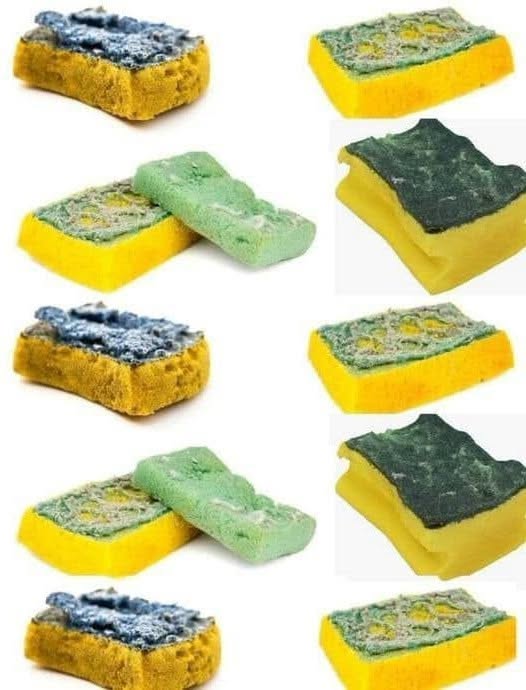
Before throwing away an old kitchen sponge, consider whether it can be safely reused for another household task. Although worn-out sponges are not valuable in the literal sense, they can sometimes be repurposed for cleaning, gardening, and small DIY projects.
The key is knowing which sponges are still suitable for reuse and which should go straight into the rubbish bin.
1. Clean Garden Pots
A sponge that has not been used with harsh chemicals can help remove loose dirt from the outside of flowerpots. Use it only for gardening tasks, not for dishes or food-preparation surfaces.
2. Help Retain Moisture in Plant Pots
A clean, unused sponge can sometimes be placed at the bottom of a planter to absorb excess water and release some moisture later. However, it should not block drainage holes or replace proper drainage material. Many plants suffer when their roots remain waterlogged.
3. Protect Fragile Objects
Cut a clean sponge into smaller pieces and use them as cushioning when storing decorations, ornaments, or other fragile household items.
4. Clean Hard-to-Reach Corners
An old sponge can be cut into a smaller shape to reach narrow corners, window tracks, and awkward spaces around household fixtures. Keep separate sponges for different cleaning tasks.
5. Remove Dirt From Shoe Soles
Use a dedicated old sponge to clean muddy shoe soles or the edges of outdoor footwear. Avoid using it afterward on indoor surfaces.
6. Apply Paint for Small DIY Projects
A clean sponge can be used to dab paint onto craft projects or create textured patterns. Use a sponge that has never been exposed to cleaning chemicals, and follow the paint manufacturer’s safety instructions.
7. Protect Furniture During Storage
Small pieces of sponge can help cushion the corners of lightweight objects or prevent items from rubbing against each other inside storage boxes.
8. Clean Garden Tools
A dedicated sponge can help remove loose soil from gardening tools. Dry metal tools thoroughly afterward to reduce the risk of rust.
