
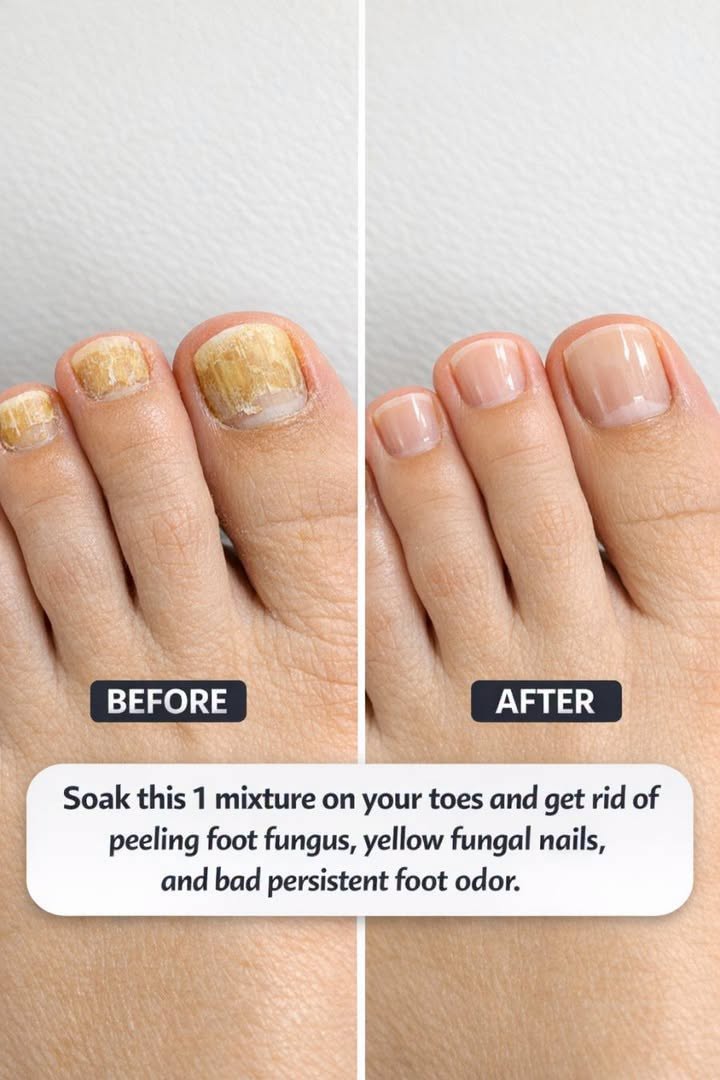
6. How Often To Use The Mixture For Fast, Visible Results
For optimal results, use the foot soak daily for the first week. This frequent application helps to quickly reduce fungal populations and soften affected skin and nails. As symptoms begin to improve, you can reduce the frequency to 2-3 times per week.
Consistency is key, and it’s important to continue using the soak until all symptoms have resolved completely. For maintenance, consider using the soak once a week to prevent recurrence of the infection.
7. Targeting Peeling Skin: Rebuilding A Smooth, Healthy Barrier
The acidic nature of the vinegar helps to exfoliate dead skin cells, while the baking soda soothes and calms irritated skin. After each soak, use a pumice stone or foot file to gently remove any softened dead skin.
Regular exfoliation encourages the growth of new, healthy skin layers. Follow up with a moisturizing cream or lotion containing urea or lactic acid, which are beneficial in maintaining skin hydration and promoting barrier repair.
8. Fading Yellow Fungal Nails And Encouraging Clear Regrowth
The soak softens the nail keratin, making it easier to trim and clean the affected nails. Use a soft brush to gently scrub the nails during each soak to remove any debris.
As the nail grows out, continue regular soaks to prevent reinfection. Keeping nails trimmed and clean is essential in allowing healthy, clear nails to regrow. Consider applying a topical antifungal nail treatment between soaks for additional support.
9. Eliminating Stubborn Foot Odor And Preventing It From Returning
Baking soda is particularly effective in neutralizing odors due to its alkaline properties. The soak reduces bacterial populations that cause odor, while the vinegar adds an extra layer of protection.
To maintain fresh-smelling feet, practice good foot hygiene by washing feet daily, wearing breathable shoes and socks, and rotating footwear to allow them to dry completely between uses.
10. Safety Tips, Red Flags, And When To See A Podiatrist
While the mixture is generally safe, some people may experience skin irritation or allergic reactions. If you notice increased redness, itching, or discomfort, discontinue use and consult a healthcare professional.
If symptoms persist or worsen despite regular soaking, or if you have an underlying health condition such as diabetes or compromised circulation, seek advice from a podiatrist. They can provide additional treatments and recommendations tailored to your specific needs.
11. Lifestyle Habits That Supercharge The Soak’s Results
Maintain good foot hygiene by washing your feet daily with soap and water. Dry thoroughly, especially between the toes, to prevent moisture buildup. Choose breathable footwear and moisture-wicking socks to reduce sweat accumulation.
Regularly change socks and rotate shoes to allow them to air out. Consider using foot powders or antiperspirant sprays to keep feet dry. A healthy diet rich in vitamins and minerals, particularly those supporting skin and nail health, can also enhance the effectiveness of the foot soak.
